
A squat rack or power rack is part of a complete training setup, so compare the space, barbell fit, supports and compatible safety equipment together. Start with the lifts you intend and your room measurements. Then check the exact frame’s ratings, fixing requirements and supplied components.
Examples from the catalogue
These listings illustrate equipment formats, rather than a ranked recommendation. Check the exact model or selected weight, specification and current availability on the product and retailer pages.
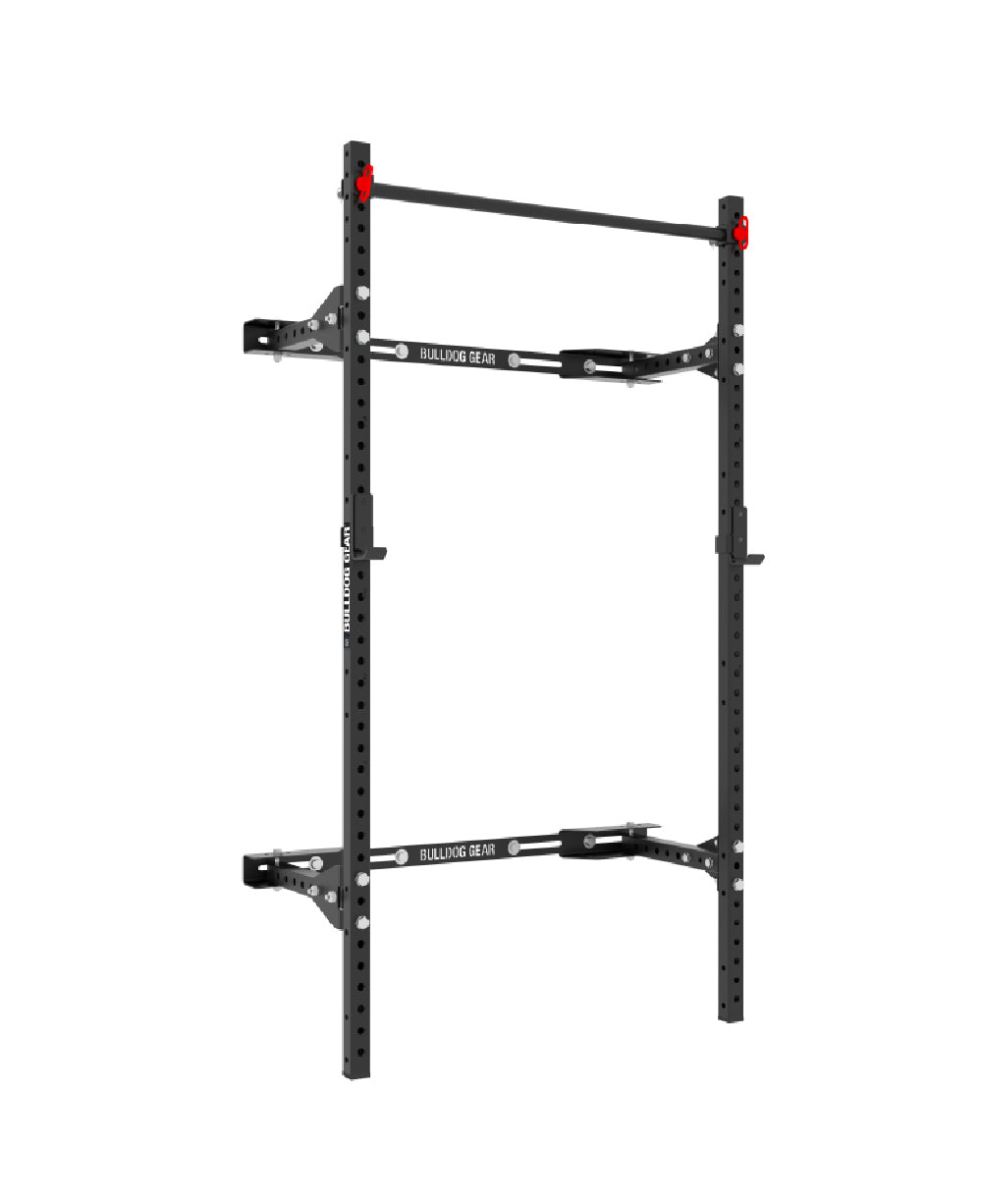
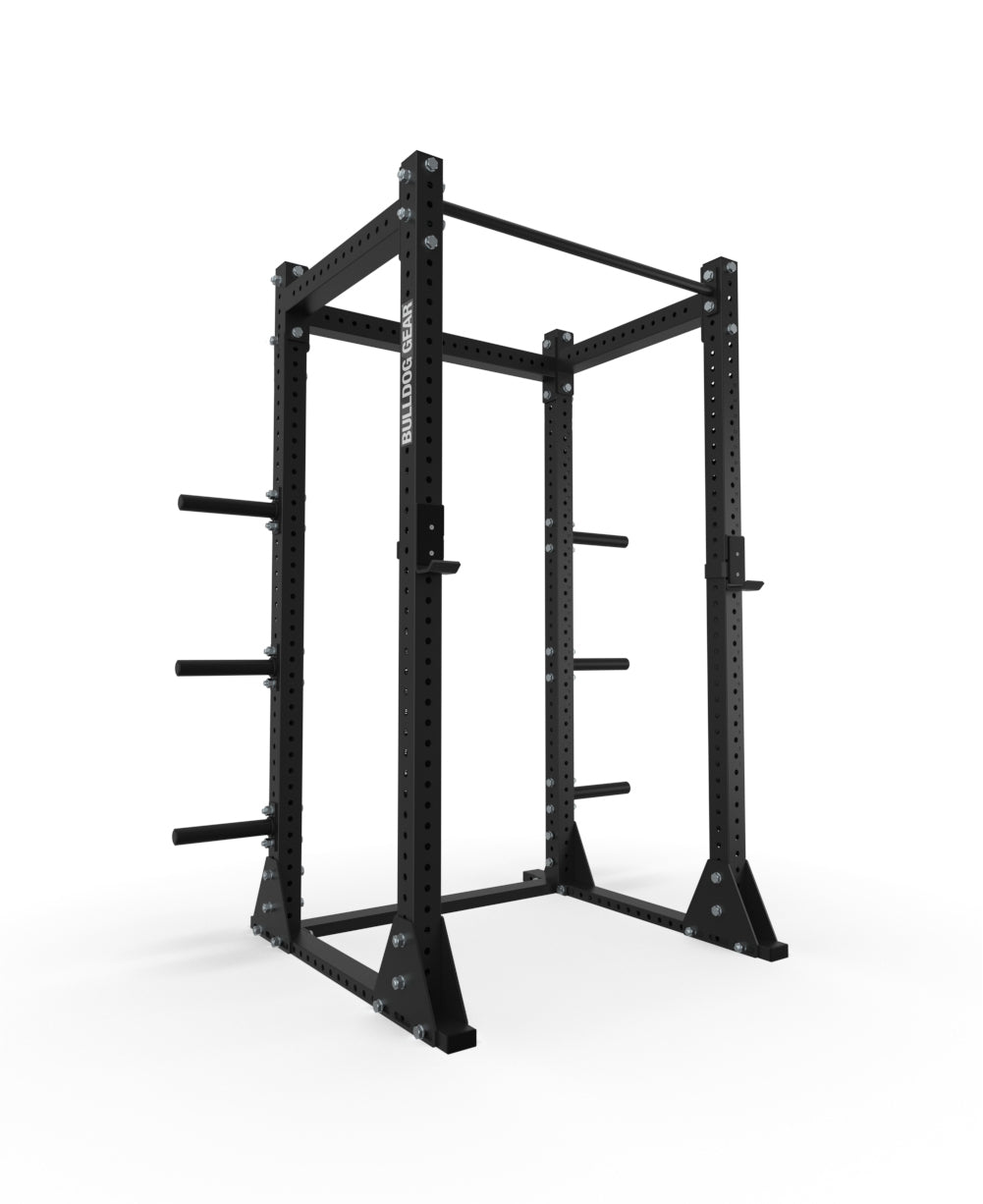
Squat stands, half racks, power racks or wall-mounted racks?
| Format | What to compare | Main check |
|---|---|---|
| Squat racks and stands | Support adjustment, base shape and compatible safety options. | Stability requirements and the permitted training setup. |
| Power and half racks | Internal space, upright positions, supports and safety attachments. | Barbell fit, rated components and room to use a bench. |
| Wall-mounted and folding racks | Installed and folded dimensions, mounting requirements and movement. | Suitable wall construction, fixings and operating clearance. |
| Freestanding rigs | Overall layout, stations, pull-up heights and modular components. | Installation requirements and the space needed around every station. |
These names do not establish which accessories or training configurations are included. Read the exact specification and installation instructions. A product photograph can show optional attachments or a larger assembled system than the item being sold.
Measure the whole setup, including the bar ends
Mark the frame footprint, then allow the manufacturer’s clearances for lifting, moving around it and loading plates. A rack can fit against a wall while leaving too little space to load a barbell. Include the full bar length and access beyond the sleeves, not just the rack width.
Compare ceiling height with the assembled rack, any pull-up bar and the movements you intend. Check doors, lights and overhead obstructions. For a folding rack, measure its deployed position and the path it follows while folding as well as the stored depth.
Establish whether floor or wall fixing is required and what fixings are supplied. The suitability of a wall, floor and installation method depends on the exact system; use the manufacturer’s requirements and appropriate installation advice. Do not assume that freestanding means a rack never needs securing.
Check barbell, bench and attachment compatibility
A barbell’s total length is not the same as its usable span between sleeves. Check that the shaft fits the rack’s support spacing and that collars and plates clear the uprights in the intended setup. Confirm the bar’s specification rather than relying on the label “Olympic” alone.
For bench work, compare the rack’s internal depth and the bench’s adjustment positions. Establish whether you can place it correctly while using compatible supports and safety equipment. Our weight bench guide explains bench dimensions and combined load ratings.
Attachments need exact compatibility: upright size, hole diameter, spacing, mounting pattern and the maker’s supported rack range. Similar appearance or matching brand names are not enough. Compare rack attachments and rack parts only after identifying the base system.
Read the ratings for each component
The frame, bar supports, spotter arms, straps, pull-up station and storage attachments can have different ratings. One headline maximum does not establish the limit for every component or movement. Confirm which ratings apply to the configuration you plan and follow the manufacturer’s operating instructions.
Check which safety attachments are included and which are available separately. Select and position compatible equipment according to the manufacturer’s guidance and appropriate training instruction. A rack listing is not a complete statement of how to perform a lift.
Check package contents, delivery and future expansion
List the included uprights, crossmembers, supports, safety components, fixings and optional attachments. A rack-and-bench package may simplify purchasing, but still compare every item’s measurements and specification.
Check packaged dimensions, weight, delivery access and assembly requirements. If future attachments matter, establish which are currently supported by the manufacturer. Buying an unfamiliar frame for a hoped-for upgrade can be more costly than selecting a compatible system from the start.
Squat rack and power rack buying checklist
- Choose the rack format for the intended setup and available room.
- Measure bar-end access, working clearance, ceiling height and any folding movement.
- Confirm fixing requirements and suitable installation.
- Verify barbell span, bench placement and exact attachment compatibility.
- Read separate component ratings, package contents, delivery and support terms.
Common buying questions
Will every Olympic bar fit every rack?
No. Compare the usable shaft span, rack support spacing and plate clearance for the exact bar and frame.
Can I use another brand’s attachments?
Only use attachments whose compatibility is confirmed for the system. Matching hole size alone does not establish a suitable fit or rating.
Browse the Bulldog Gear collection for its supplier-specific range, or use the home gym equipment guide to plan weights, cardio and storage together.
ShapeShifters is an affiliate catalogue and may earn commission from qualifying purchases through retailer links. Confirm the exact configuration, current stock, price, delivery and purchase terms with the retailer.